How Healthy Eating Supports Weight Management and Wellness
In a world filled with fad diets, conflicting nutrition advice, and quick-fix weight loss promises, it’s easy to feel overwhelmed when trying to make healthier choices. Many people want to manage their weight, feel more energized, and improve their overall health but don’t know where to start or how to stay consistent.
The truth is simpler than it seems: healthy eating is not about restriction or perfection—it’s about nourishment, balance, and sustainability. When approached the right way, food becomes a powerful tool for both weight management and long-term wellness.
At
Healthy Life Cuisine, we believe food should support your body, fuel your lifestyle, and bring joy to everyday living. In this guide, we’ll explore how healthy eating supports weight management, why balanced meals matter, and how to build a realistic nutrition lifestyle you can maintain for life.

Why Weight Management Is About More Than the Scale
Weight management is often reduced to numbers but true wellness goes much deeper than a scale reading.
Healthy weight management supports:
- Stable energy levels
- Improved digestion
- Better mood and mental clarity
- Reduced risk of chronic disease
- Stronger immune function
Rather than focusing on short-term weight loss, a sustainable approach sometimes referred to as phealthy weight management prioritizes long-term habits that help your body function at its best.
The Connection Between Healthy Eating and Wellness
Food affects every system in the body. What you eat influences hormones, metabolism, inflammation, gut health, and even sleep quality.
A well-rounded nutrition lifestyle helps:
- Regulate appetite and hunger cues
- Maintain muscle mass and metabolism
- Support heart and brain health
- Reduce cravings and emotional eating
Healthy eating isn’t about “good” or “bad” foods, it’s about consistency, variety, and nourishment.
What Does Healthy Eating Really Mean?
Healthy eating looks different for everyone, but at its core, it focuses on balance and quality.
Key principles include:
- Choosing whole, minimally processed foods
- Eating a variety of nutrients
- Listening to your body’s hunger and fullness signals
- Enjoying food without guilt
This approach makes healthy eating sustainable something you can stick with for years, not weeks.
The Role of Balanced Meals in Weight Management
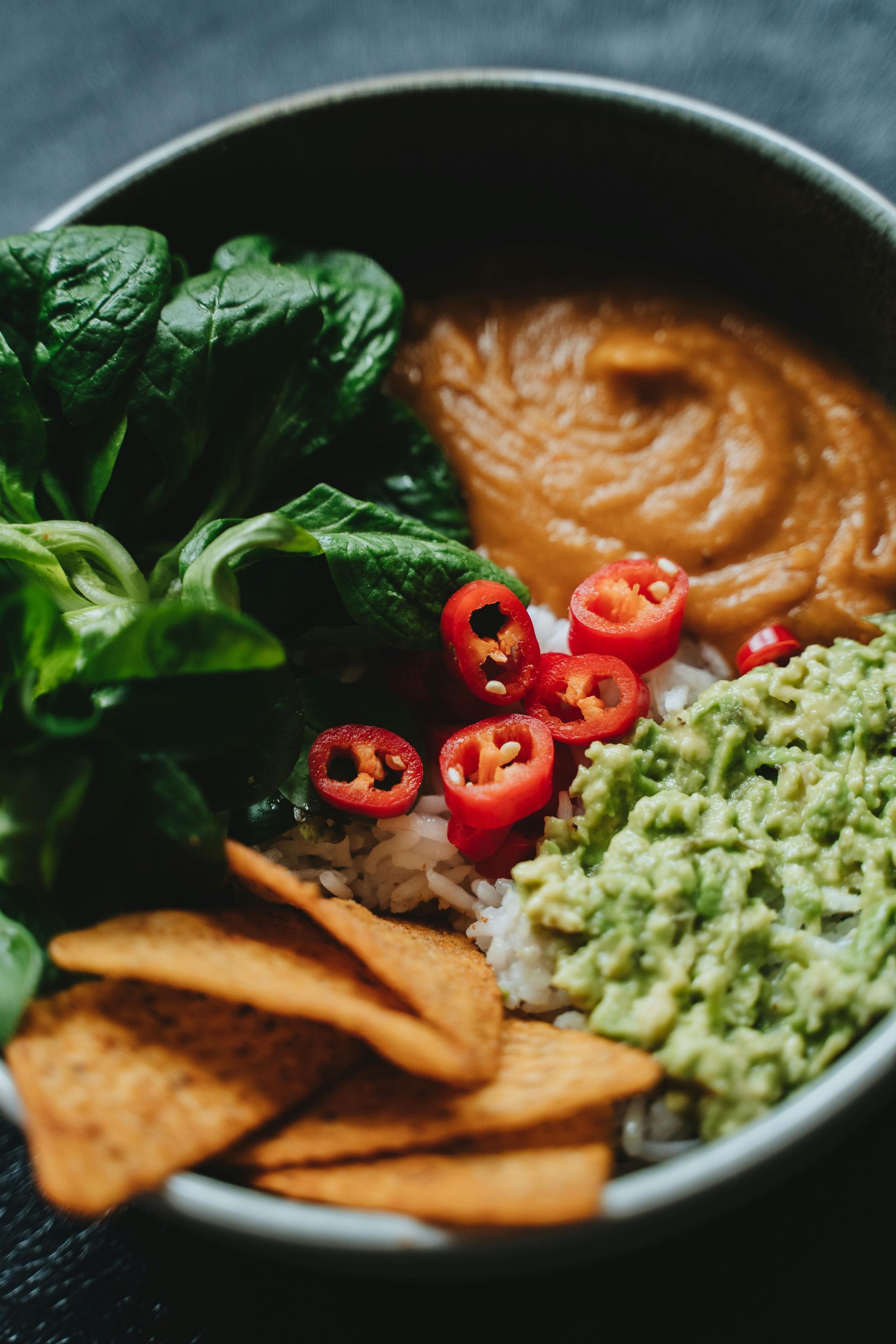
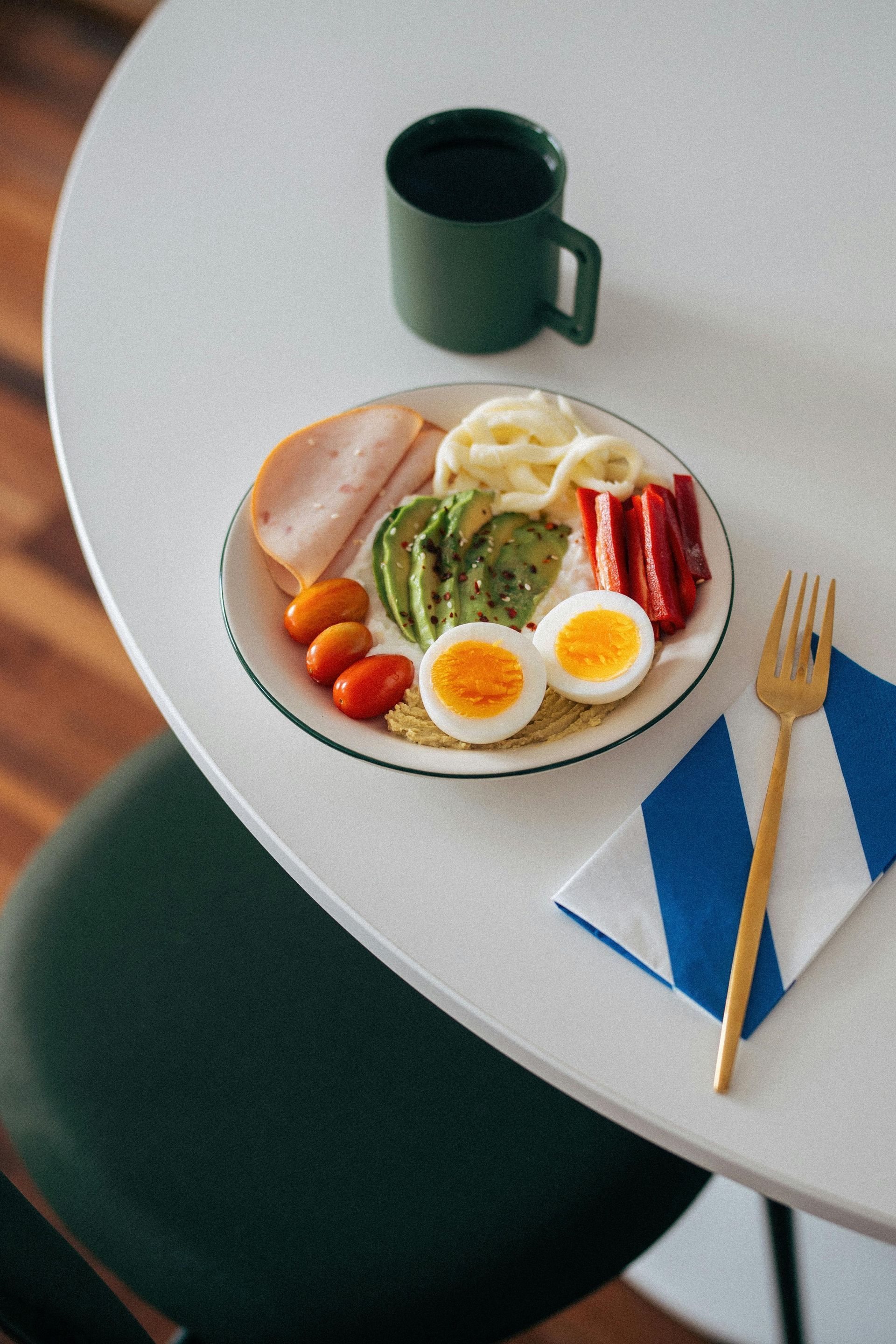
Balanced meals are the foundation of a healthy diet. They provide your body with the nutrients it needs to function properly while keeping hunger and cravings in check.
A balanced meal typically includes:
- Protein
- Complex carbohydrates
- Healthy fats
- Fiber-rich vegetables or fruits
When meals are balanced, blood sugar remains stable, energy levels stay consistent, and overeating becomes less likely.
Why Protein Matters
Protein plays a major role in weight management and wellness.
Benefits of protein include:
- Increased satiety (feeling full longer)
- Support for muscle maintenance
- Improved metabolism
Examples of healthy protein sources:
- Lean meats and poultry
- Fish and seafood
- Eggs
- Beans, lentils, and tofu
- Greek yogurt
Including protein in every meal helps reduce cravings and supports long-term weight stability.
The Importance of Healthy Carbohydrates
Carbohydrates often get a bad reputation, but they are essential for energy and overall health.
Healthy carbohydrate sources include:
- Whole grains
- Fruits
- Vegetables
- Legumes
These foods provide fiber, vitamins, and minerals that support digestion and gut health key components of a sustainable nutrition lifestyle.
Don’t Fear Healthy Fats
Fats are essential for nutrient absorption, brain health, and hormone balance.
Healthy fats can be found in:
- Avocados
- Nuts and seeds
- Olive oil
- Fatty fish
Including fats in balanced meals helps improve satisfaction and prevents overeating later.
How Healthy Eating Supports Sustainable Weight Management
Crash diets may lead to quick weight loss, but they often result in burnout and weight regain. Healthy eating supports weight management by working
with your body, not against it.
Healthy eating helps by:
- Supporting natural metabolism
- Reducing extreme hunger cycles
- Improving portion awareness
- Encouraging consistency over perfection
This steady approach leads to lasting results without the stress of constant restriction.
Building a Nutrition Lifestyle, Not a Diet
A nutrition lifestyle focuses on habits you can maintain long term regardless of busy schedules, social events, or life changes.
Key components include:
- Flexibility instead of rigid rules
- Enjoyment of food
- Realistic expectations
- Mindful eating
When nutrition becomes part of your lifestyle, healthy choices feel natural instead of forced.
Practical Tips for Creating Balanced Meals at Home
Healthy eating doesn’t require complicated recipes or expensive ingredients.
1. Use the Plate Method
Fill:
- ½ your plate with vegetables
- ¼ with protein
- ¼ with whole grains or healthy carbs
This simple visual guide supports balanced meals without tracking or measuring.
2. Plan Ahead (Just a Little)
Meal planning doesn’t have to be time-consuming.
Try:
- Prepping proteins in advance
- Washing and chopping vegetables ahead of time
- Keeping healthy staples on hand
Small preparation steps make healthy choices easier during busy days.
3. Focus on Progress, Not Perfection
No one eats perfectly all the time and that’s okay.
Healthy eating is about:
- Making better choices most of the time
- Enjoying occasional treats without guilt
- Returning to balance after indulgences
Consistency matters more than perfection.
How Healthy Eating Supports Mental and Emotional Wellness
Food doesn’t just fuel the body, it also affects the brain.
Healthy eating can:
- Improve mood stability
- Reduce fatigue and brain fog
- Support stress management
Nutrients like omega-3s, fiber, and antioxidants play a role in mental clarity and emotional balance key aspects of overall wellness.
Weight Management Without Deprivation
One of the biggest myths about weight management is that it requires constant restriction.
In reality, deprivation often leads to:
- Cravings
- Overeating
- Loss of motivation
Healthy eating emphasizes nourishment and satisfaction, making it easier to maintain a healthy weight without feeling deprived.
Making Healthy Eating Enjoyable
Food should be enjoyable not stressful.
Ways to keep healthy eating enjoyable:
- Experiment with new recipes
- Use herbs and spices for flavor
- Recreate favorite dishes in healthier ways
Healthy Life Cuisine focuses on recipes that support wellness while still tasting great because enjoyment is essential for sustainability.
How Long-Term Wellness Is Built
Wellness is not achieved overnight. It’s built through small, consistent habits over time.
Healthy eating supports long-term wellness by:
- Reducing inflammation
- Supporting heart health
- Improving digestion
- Enhancing energy and vitality
When food supports your body, everything else becomes easier from movement to sleep to stress management.
Healthy Eating and Lifestyle Balance
A healthy nutrition lifestyle works alongside:
- Physical activity
- Quality sleep
- Stress management
- Hydration
Food doesn’t exist in isolation, it’s part of a bigger wellness picture.
Listening to Your Body’s Signals
One of the most powerful tools in healthy eating is body awareness.
Pay attention to:
- Hunger cues
- Fullness signals
- Energy levels after meals
This mindful approach helps guide portion sizes and food choices naturally.
Healthy Eating Is a Journey
Everyone’s wellness journey looks different. What matters is finding an approach that works for
you.
Healthy eating is:
- Flexible
- Adaptable
- Personalized
When nutrition supports your life not controls weight management and wellness follow naturally.
Nourish Your Body, Support Your Wellness
Healthy eating is not about quick fixes or strict rules. It’s about building a sustainable nutrition lifestyle that supports energy, balance, and confidence.
Through balanced meals, mindful habits, and consistency, healthy eating becomes a powerful foundation for weight management and overall wellness. When food works with your body, not against it, long-term health becomes achievable and enjoyable.
At Healthy Life Cuisine, we believe nourishment should be simple, satisfying, and sustainable.
If you’re looking for delicious, wholesome recipes and practical inspiration to support your wellness journey, explore Healthy Life Cuisine. Small changes in how you eat can lead to big changes in how you feel—one balanced meal at a time.