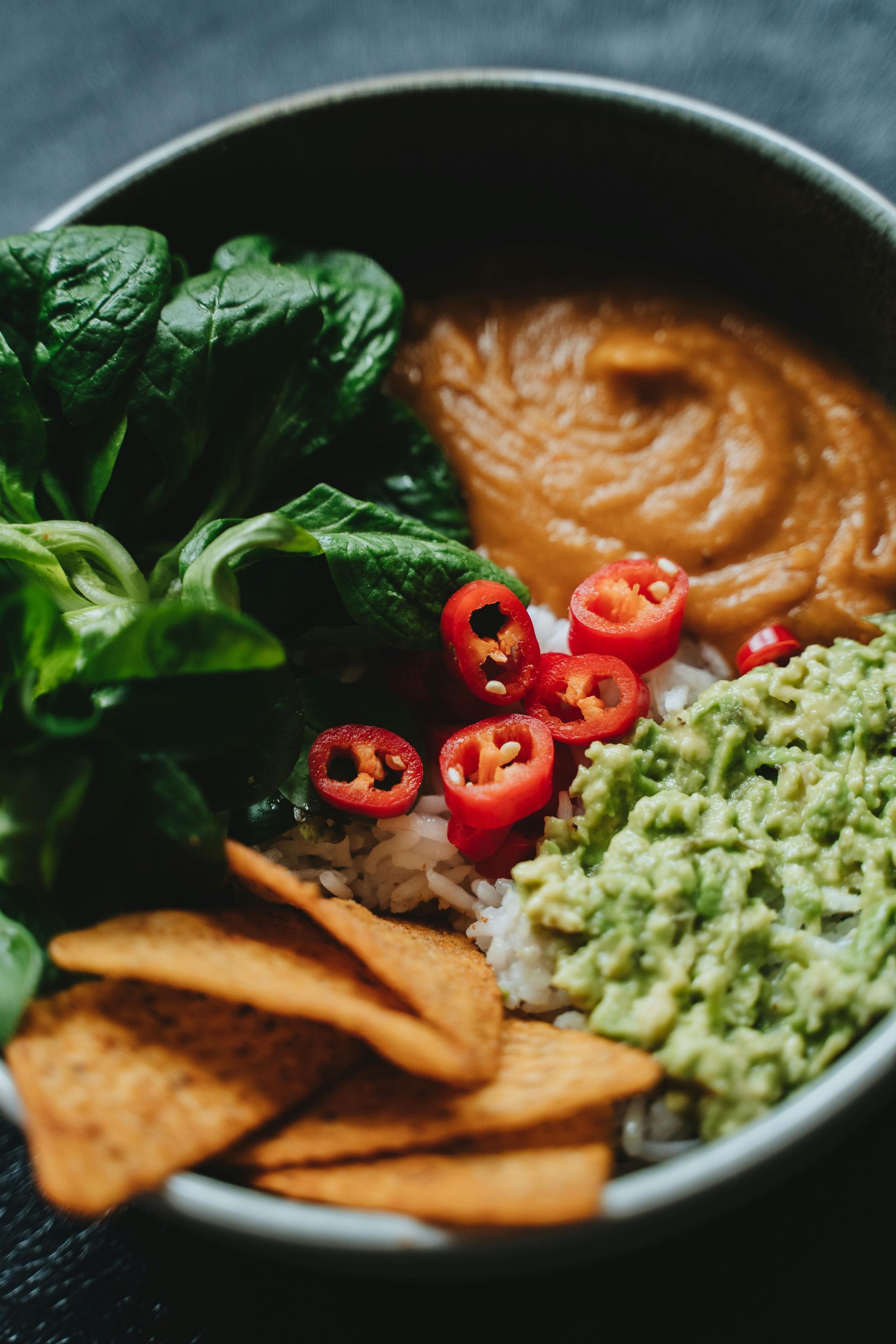
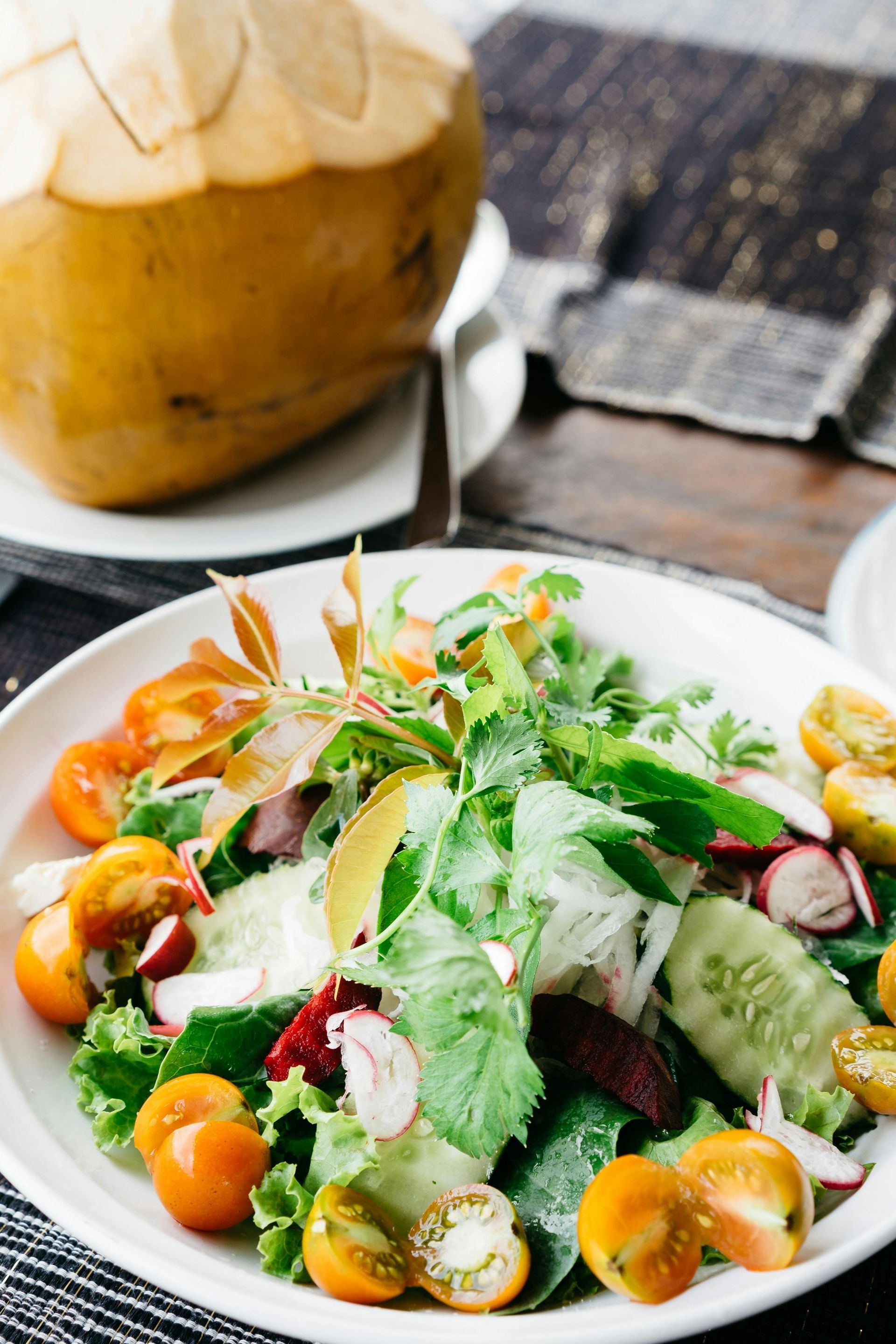
Sustainable Sourcing in 2026: Why Where Your Food Comes From Matters
In 2026, eating well isn’t just about calories or macros; it’s about connection. Connection to the land, to the people who grow our food, and to the impact our choices have on our bodies and the planet. More diners than ever are asking an important question before they order:
Where does this food come from?
At Healthy Life Cuisine, the answer matters. Sustainable food sourcing isn’t a trend; it’s a commitment to quality, integrity, and long-term wellness. From local farms to thoughtfully selected suppliers, where food comes from directly affects how it tastes, how it nourishes us, and how it shapes the future of our communities.
In this article, we’ll explore why sustainable sourcing matters more than ever, how eco-friendly restaurants are leading the way, and how clean eating trends in 2026 are redefining what it means to eat “healthy.”
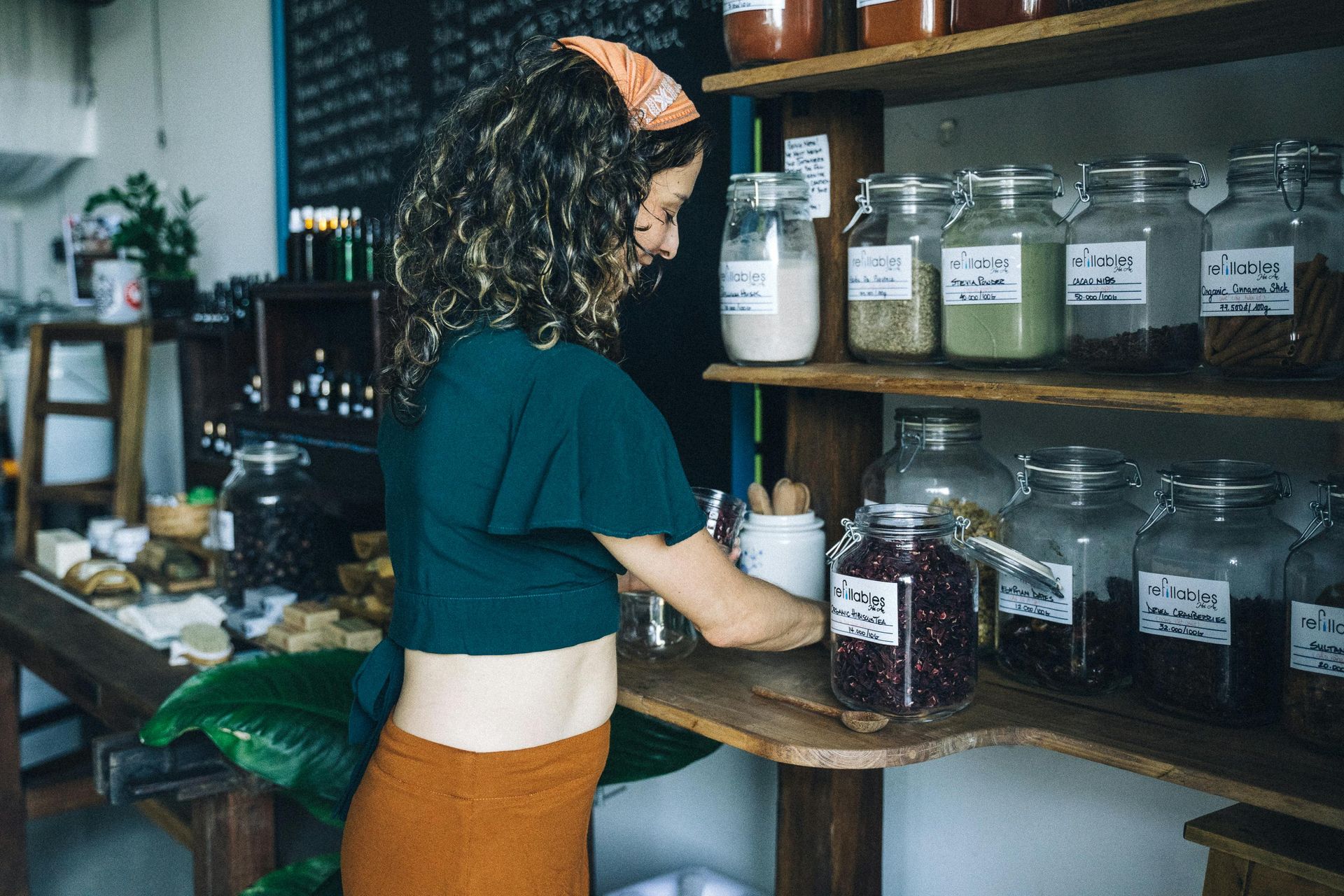
What Is Sustainable Food Sourcing?
Sustainable food sourcing means choosing ingredients that are produced in ways that protect people, the environment, and future food systems.
Core Principles of Sustainable Sourcing:
- Environmentally responsible farming
- Ethical treatment of workers and animals
- Reduced environmental impact
- Support for local and regional producers
- Long-term soil and ecosystem health
It’s about balance for meeting today’s needs without compromising tomorrow’s.
More Than a Buzzword
In 2026, sustainability has moved from marketing language to measurable action. Customers expect transparency, and restaurants are responding with real commitments.
Why Sustainable Food Sourcing Matters in 2026
Food systems are under pressure from climate change, rising costs and supply chain disruptions.
A Changing Global Food Landscape
Recent years have highlighted:
- Fragile supply chains
- Environmental strain from industrial farming
- Increased awareness of food waste
- Growing concern over food quality
Sustainable sourcing offers resilience and responsibility.
Consumers Are More Informed Than Ever
Today’s diners:
- Read labels
- Ask questions
- Care about sourcing
- Align food choices with personal values
Eco-conscious dining is becoming the norm, not the exception.
The Link Between Sustainable Sourcing and Clean Eating
Clean eating trends in 2026 go far beyond “organic” or “low-calorie.”
What Clean Eating Really Means Now
Clean eating focuses on:
- Whole, minimally processed ingredients
- Transparency in sourcing
- Nutrient-dense foods
- Fewer artificial additives
Sustainably sourced ingredients naturally align with these values.
Better Ingredients, Better Nutrition
Food grown with care often:
- Retains more nutrients
- Avoids unnecessary chemicals
- Tastes fresher and cleaner
Quality sourcing leads to quality meals.
How Eco-Friendly Restaurants Are Leading the Way
Eco-friendly restaurants aren’t just serving food, they’re shaping culture.
Making Sustainability Accessible
By offering responsibly sourced meals in everyday settings, restaurants help:
- Normalise sustainable eating
- Make better choices convenient
- Educate through example
Sustainability becomes part of daily life, not a luxury.
Transparency Builds Trust
Restaurants committed to sustainable food sourcing are more open about:
- Ingredient origins
- Supplier relationships
- Preparation methods
Trust grows when customers know what they’re eating and why it was chosen.
Local Sourcing: Supporting Community and Flavour
One of the most impactful sustainability practices is sourcing locally.
Why Local Matters
Local sourcing:
- Reduces transportation emissions
- Supports local farmers and producers
- Strengthens regional economies
- Delivers fresher ingredients
Shorter supply chains benefit everyone.
Flavour You Can Taste
Ingredients that travel fewer miles:
- They are harvested at peak ripeness
- Retain better texture and flavour
- Require fewer preservatives
Freshness isn’t just healthier, it’s more enjoyable.
Sustainable Sourcing and Environmental Impact
Food choices have real environmental consequences.
Reducing Carbon Footprints
Sustainable sourcing helps lower:
- Transportation emissions
- Energy-intensive farming practices
- Excess packaging
Small decisions add up to meaningful impact.
Protecting Soil and Water
Responsible farming methods preserve:
- Soil fertility
- Water quality
- Biodiversity
Healthy ecosystems lead to healthier food systems.
Ethical Sourcing: People Matter Too
Sustainability includes the humans behind the food.
Fair Labor Practices
Ethical sourcing supports:
- Fair wages
- Safe working conditions
- Respect for agricultural workers
Food should nourish everyone involved in its journey.
Aligning Values With Action
Eco-friendly restaurants that prioritise ethics show customers that:
- Values matter
- Choices have an impact
Food can be a force for good.
Clean Eating Trends 2026: What Diners Are Looking For
As awareness grows, so do expectations.
Transparency Is Non-Negotiable
Customers want to know:
- Where ingredients come from
- How they’re prepared
- Why certain choices are made
Honesty builds loyalty.
Functional, Feel-Good Foods
Modern clean eating focuses on:
- Energy
- Digestion
- Mental clarity
- Long-term wellness
Sustainably sourced foods support these goals naturally.
How Healthy Life Cuisine Embraces Sustainable Sourcing
At Healthy Life Cuisine, sourcing isn’t an afterthought, it’s foundational.
Thoughtful Ingredient Selection
Ingredients are chosen with care, prioritizing:
- Freshness
- Quality
- Responsible sourcing
- Alignment with wellness values
Every choice reflects a commitment to better food.
Serving Food With Purpose
Healthy Life Cuisine believes that:
- Food should nourish, not compromise
- Sustainability should be practical
- Healthy choices should be delicious
This balance makes clean eating accessible and enjoyable.
Practical Tips for Eating More Sustainably
You don’t have to be perfect to make a difference.
For Diners:
- Choose restaurants that value transparency
- Support local and eco-friendly businesses
- Ask questions about sourcing
- Reduce food waste when possible
Small habits create big change.
For Families:
- Introduce kids to where food comes from
- Prioritize quality over quantity
- Make sustainability a shared value
Education starts at the table.
Why Sustainable Sourcing Is the Future of Dining
Sustainability isn’t going away; it’s evolving.
A Long-Term Investment
Restaurants that prioritise sustainable food sourcing:
- Build stronger customer trust
- Adapt better to supply changes
- Align with future regulations and expectations
- It’s smart business and responsible stewardship.
Health, Community, and Planet Are Connected! What’s good for the planet is often good for people and vice versa.
The Role of Restaurants in Shaping Food Culture
Restaurants influence daily choices more than we realise.
Leading by Example
Eco-friendly restaurants:
- Set standards
- Inspire change
- Make sustainability approachable
They turn ideals into everyday actions.
Creating a Ripple Effect
When diners experience high-quality, responsibly sourced meals, expectations rise across the board.
Looking Ahead: Sustainable Eating Beyond 2026
The future of food is:
- Transparent
- Thoughtful
- Community-centered
- Health-driven
Sustainability will continue to shape menus, sourcing, and dining experiences.
Every Meal Is a Choice That Matters
In 2026, sustainable food sourcing isn’t just about what’s on the plate; it’s about the story behind it. Where your food comes from affects your health, your community, and the world around you.
Eco-friendly restaurants like Healthy Life Cuisine are proving that clean eating trends in 2026 can be delicious, accessible, and impactful.
By choosing responsibly sourced ingredients and prioritising transparency, they help diners make choices they can feel good about every single day.
Because when food is grown with care, prepared with intention, and shared with purpose, everyone benefits.